
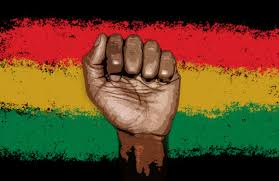
Throughout history, black historical figures have shaped the world not only through political action or artistic expression, but through consciousness, courage, and care for community. Their contributions are often taught in fragments—reduced to dates, soundbites, or single achievements—while the deeper impact of their work on healing, identity, and self-determination is overlooked.
Many people today feel disconnected from history, culture, and even themselves. Modern life moves fast, leaving little room for reflection or remembrance. This disconnection can show up as burnout, lack of purpose, or a sense that something essential has been lost. Yet history offers more than lessons; it offers grounding. When we revisit the lives of those who came before us, we reclaim wisdom that helps us move forward with clarity.
By honoring black historical figures in a holistic way, we begin to see a practical solution: remembering who we are, where we come from, and how intentional living has always been part of Black survival and excellence. From innovators and freedom fighters to artists and healers, their legacies invite us to slow down, reconnect, and live with purpose; something that can still be practiced today through conscious daily rituals and community-rooted wellness.
Black Historical Figures Innovation, Ethics, and Medical Truth

The history of medicine reveals both extraordinary Black contribution and deep injustice. The Tuskegee Syphilis Study exposed how Black men were deceived and denied care for decades, leading to critical reforms in medical ethics and informed consent. Henrietta Lacks’ immortal cells revolutionized modern medicine, contributing to vaccines, cancer treatments, and life-saving research, yet her story also highlights exploitation without permission or recognition.
These truths remind us that progress must be paired with integrity. Healing cannot exist without trust. Today, many people seek alternatives that feel ethical, transparent, and rooted in care rather than extraction. This is why community-based, intentional wellness matters. Brands like Essence of Paradise reflect a return to conscious creation—where products are made with respect for the body, the land, and the people they serve.
Black Historical Figures Leadership, Sovereignty, and Self-Determination

Figures such as Marcus Garvey, Haile Selassie, Malcolm X, Frederick Douglass, and modern leaders like Ibrahim Traoré all emphasized one central truth: liberation begins within. Political freedom means little without mental, spiritual, and economic autonomy.
Garvey’s focus on ownership and circulation of resources laid the foundation for modern Black entrepreneurship. Malcolm X’s transformation showed the power of discipline and clarity. Douglass demonstrated that intentional action could turn oppression into authority. Across continents and generations, these leaders understood that sovereignty is not just claimed, it is practiced daily.
Intentional living today can take many forms. Creating moments of stillness, caring for the body, and grounding the mind are small but meaningful acts of self-governance. Rituals rooted in ancestral wisdom—such as clearing space with incense or restoring the body with herbal care, reflect the same principles these leaders lived by.
Art, Music, and Words as Medicine

Black historical figures have long used art as a tool for healing and resistance. Nina Simone and Billie Holiday transformed music into emotional truth-telling. Bob Marley carried ancestral memory through rhythm, reminding the world that vibration itself can heal. Writers like Maya Angelou and James Baldwin used words to free minds, naming truths others were afraid to confront.
Art bypasses logic and speaks directly to the nervous system. It allows grief, joy, anger, and hope to move rather than stagnate. In many cultures, art and ritual were never separate, they worked together to restore balance.
This same philosophy informs holistic wellness today. Scent, touch, and sound can ground us when words fall short. Essence of Paradise draws from this lineage, offering tools that support presence and reflection without spectacle or excess; simply space to feel, remember, and realign.
Discipline, Community, and Everyday Ritual

Figures like Ella Baker, Muhammad Ali, Jackie Robinson, and Dr. Frances Cress Welsing remind us that transformation is sustained through discipline and collective care. Baker believed in grassroots power. Ali and Robinson showed that courage is strengthened through routine and conviction. Dr. Welsing emphasized mental clarity as essential to liberation.
Wellness, in this context, is not indulgence, it is responsibility. Caring for the body and calming the mind support resilience, focus, and emotional regulation. When practiced consistently, small rituals become anchors in uncertain times.
Whether it’s creating a calm environment, tending to the body after a long day, or simply pausing to breathe, these practices echo the wisdom of those who came before us. They remind us that healing has always been part of Black survival.
Remembering Through Practice
Honoring black historical figures does not end with learning their names. It continues through how we live. Conscious choices—where we spend our money, how we care for ourselves, and how we support our communities—are modern expressions of remembrance.
By integrating history with intentional living, we keep these legacies alive in a practical way. Supporting businesses rooted in care, ethics, and cultural respect helps sustain that lineage. It reinforces the idea that wellness, like freedom, is meant to be shared and protected.
Leave a Reply